Exhibitions present one of the most powerful opportunities for brands to connect directly with their target audience. Yet, despite significant investments, a large percentage of exhibition stalls fail to deliver meaningful results. The issue is rarely the event itself—it lies in the strategy, execution, and understanding of what truly drives engagement.
The Real Reasons Exhibition Stalls Fail
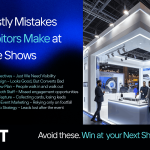
One of the most common reasons is the lack of a clear objective. Many exhibitors participate without defining whether their goal is lead generation, brand awareness, or product showcasing. Without clarity, the stall becomes a passive display rather than a strategic tool.
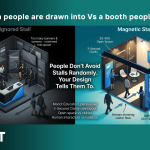
Another critical factor is poor stall design. A cluttered, generic, or visually weak booth fails to capture attention in a competitive exhibition environment. Visitors make decisions within seconds, and if your stall does not stand out instantly, it gets ignored.
Equally important is the lack of engagement strategy. Simply having a well-designed stall is not enough. Many brands fail because they do not plan how to interact with visitors. Untrained staff, weak communication, and no clear pitch lead to missed opportunities.
Additionally, ineffective pre-event and post-event planning significantly impacts performance. Exhibitors often overlook marketing before the event and fail to follow up after it, resulting in lost leads and wasted potential.
What Successful Exhibitors Do Differently
Successful exhibitors approach exhibitions as a complete marketing cycle, not just a three-day event.
They begin with strategic planning, defining clear goals and aligning their stall design and messaging accordingly. Every element—from layout to graphics—is designed to attract, engage, and convert.
They invest in customized stall designs that reflect their brand identity while creating a memorable experience. Elements like lighting, space utilization, and interactive features are carefully planned to draw visitors in.
Another key differentiator is trained booth staff. High-performing teams know how to initiate conversations, qualify leads, and communicate value effectively within a short time frame.
Moreover, successful brands leverage technology and data capture tools to ensure every interaction is recorded and followed up systematically.
How You Can Ensure Success
To ensure your exhibition stall delivers results, focus on three key pillars:
- Plan with purpose: Define clear objectives and align every decision with them.
- Design for impact: Invest in a stall that captures attention and reflects your brand’s strength.
- Execute with precision: Train your team, engage visitors actively, and follow up without delay.
Exhibitions are not just about presence—they are about performance. With the right strategy and execution, your stall can become a powerful platform for business growth rather than just another missed opportunity.

Leave a comment
Your email address will not be published. Required fields are marked *